WASTE CLASSIFICATION & WAC TESTING
Safeguard your business with accredited WAC testing and waste classification, helping you understand your material and determine where it can be safely and legally disposed of.

Safeguard your business with accredited WAC testing and waste classification, helping you understand your material and determine where it can be safely and legally disposed of.
With over 35 years of industry experience, TARS provides accredited waste classification and waste acceptance criteria testing for contractors, developers and groundworkers across Essex and Suffolk.
If you’re excavating a site, preparing land for development or managing surplus construction materials, you have a legal duty of care to ensure your waste is correctly classified before it leaves site. Without the right testing, contaminated soils can lead to project delays, increased disposal costs and breaches of environmental regulations.
From sample collection and laboratory analysis through to WM3 waste classification, WAC testing and disposal recommendations, we manage the entire process, helping you stay compliant while keeping your project moving.
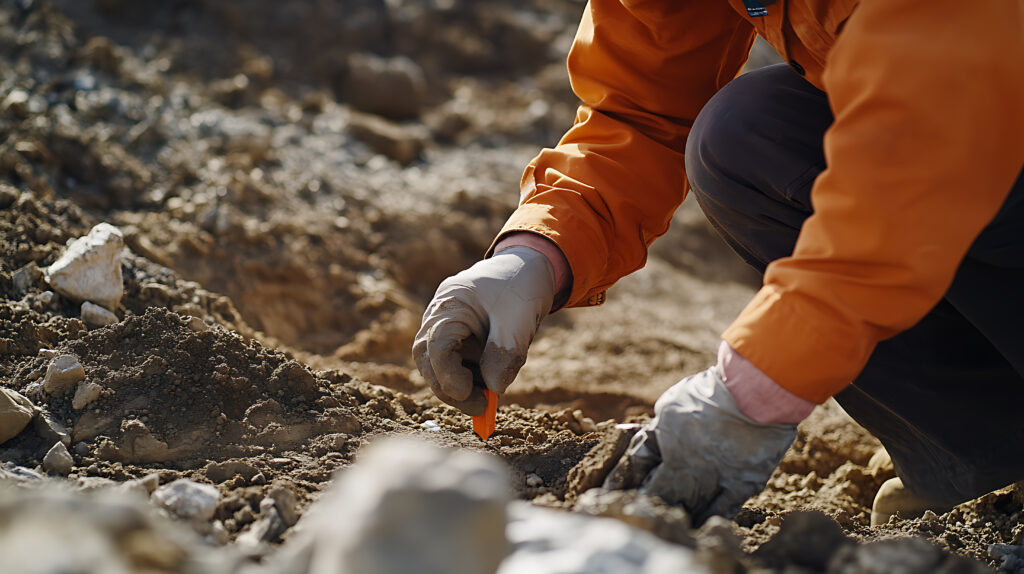
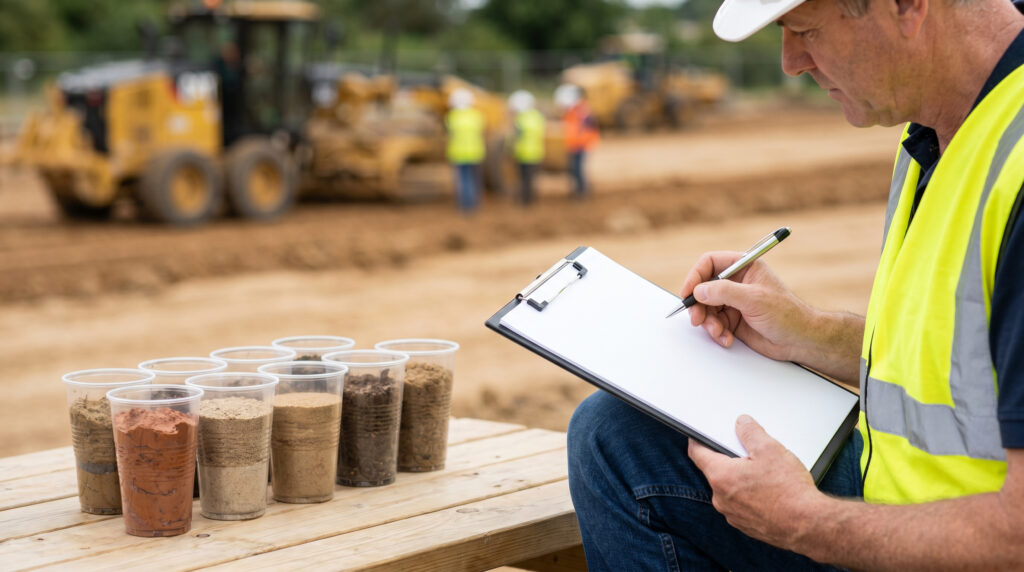
We offer a range of waste testing and waste classification services to help identify contamination, classify waste correctly and determine the most appropriate disposal route for your material.
WM3 Waste Classification is the first step in determining how your waste should be managed. Through laboratory testing and assessment, we establish whether your material is hazardous or non-hazardous, helping identify the correct handling, transport and management requirements. This classification is essential for ensuring compliance with current environmental regulations.
Heavy metals and hydrocarbon testing identifies contaminants within soils and construction materials. The results support WM3 waste classification, helping determine the safest and most appropriate route for managing, recovering or disposing of your waste.
Asbestos testing identifies the presence, type and concentration of asbestos-containing materials (ACMs) within waste soils. Understanding the level of contamination is essential for determining the correct handling and disposal requirements, while helping protect workers, the public and the environment.
Once your waste has been classified, WAC (Waste Acceptance Criteria) testing determines the most appropriate disposal route. By assessing how contaminants within the material may leach into the environment, WAC testing establishes whether the waste meets landfill acceptance criteria and identifies whether it can be accepted at an inert, non-hazardous or hazardous landfill. Our experienced team manages the entire process, helping you remain compliant while avoiding unnecessary costs and delays.
Want to learn more? Read our complete guide to WAC testing, where we explain when it’s required, how it works and why it’s an essential part of compliant waste management.
Without accurate waste classification and WAC testing, it can be difficult to determine how waste should be managed or where it can legally be disposed of. Accurate testing helps you to:

Meet Your Legal Responsibilities – As a waste producer, you have a legal Duty of Care. Proper testing helps ensure your waste is classified and managed in line with environmental regulations.
Ensure the Correct Disposal Route – Waste classification and WAC testing identify whether your material can be reused, recovered or disposed of at the appropriate licensed facility.
Avoid Costly Delays – Incorrect waste classification can result in rejected landfill loads, unexpected costs and project delays. Accurate testing helps keep your project moving and avoiding potential penalties.
Stay Compliant with WM3 & WAC – Our testing follows current WM3 Waste Classification Guidance and Waste Acceptance Criteria (WAC), giving you confidence your waste has been assessed correctly.

Our team begins by reviewing your site, understanding the soils and any potential contamination risks. This allows us to determine the most appropriate sampling plan for your project.

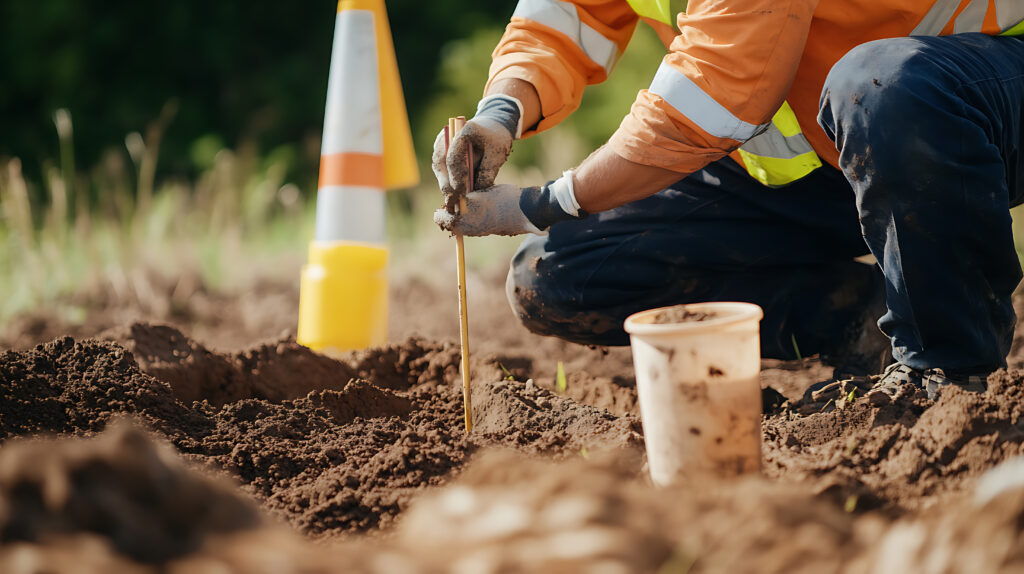
Soil samples are then collected from locations across your site and prepared for testing, ensuring reliable testing results.

Samples are submitted to an accredited laboratory for detailed analysis to identify contaminants & assess the characteristics of the material. Standard turnaround times are typically 7-10 days, with fast-track options available where required (at an additional cost.)

TARS provide full WM3 waste classification of your soils and materials to help produce a clear materials management plan (MMP). This detailed testing process gives you peace of mind that your project can proceed without unnecessary delays or unexpected costs, ensuring all duty of care requirements are met and waste is disposed of safely at our licensed facility.
Understanding test results can be complex, which is why we offer additional support with Soil Waste Classification Report interpretation.

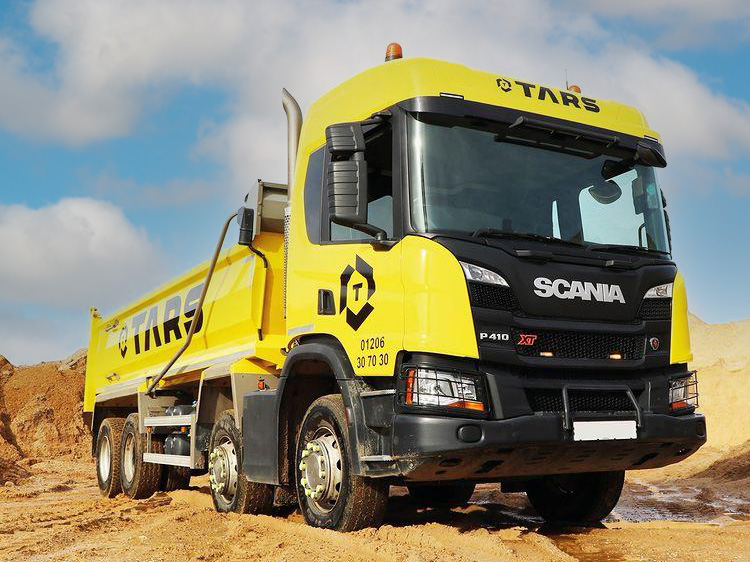
With over 35 years of experience, TARS provides a straightforward, professional service for WAC testing, classification and disposal. By managing the entire process, we help customers save time, remain compliant and make informed decisions with confidence.
Our experienced team delivers reliable results, fast turnaround times and straightforward advice, making the testing and classification process simple from start to finish.
Need soil waste testing, waste classification or disposal advice? Get in touch with our team today to discuss your requirements, request a quote or arrange a consultation with one of our specialists. Give us a call on:
WAC Testing(also known as Waste Acceptance Criteria) is a laboratory analysis process that determines exactly which class of landfill (e.g. Inert, Non-Hazardous or Hazardous) can legally accept your waste. WAC testing is mandatory for waste disposal under the Landfill Directive (2010), aiming to reduce hazardous material in landfills.
In most cases, yes. Waste testing is required to correctly classify your material and ensure it is disposed of in line with current regulations. Without testing, waste may be rejected at disposal sites or incorrectly processed.
Once your soil test results are returned, our team will review and assess the data to determine the correct waste classification. Based on this, we will recommend the most suitable and compliant disposal route for your material. If required, we can also provide a Waste Classification Report interpretation within 24 hours, giving you clear guidance on how to proceed and helping you avoid delays.
Standard soil testing turnaround time is typically 7-10 days from when samples are received by the laboratory. This can vary depending on the type of testing required and the material being analysed. For projects with tighter deadlines, fast-tracking testing options may be available at an additional cost, helping to reduce delays and keep your project on schedule.
Yes, TARS can arrange the collection of soil samples directly from your site across Essex and Suffolk. Our team will coordinate a convenient time for collection, ensuring the process is straightforward and minimises disruption to your project. This forms part of our end-to-end service, from sampling through to disposal.
The amount of material required for soil testing can vary depending on the type of analysis being carried out and the nature of the site. Our team will advise you on the correct sample size needed when arranging your testing, ensuring that sufficient material is collected for precise and reliable results.
Waste classification testing is typically required when soil or other waste materials need to be removed from site for disposal, treatment or recovery. Before materials can be accepted by waste carriers, treatment facilities or landfill operators, they must be accurately classified to determine whether they are hazardous or non-hazardous.
Testing provides the chemical analysis and classification data needed to ensure materials are managed in accordance with environmental regulations. It is most commonly required for soils generated during construction, excavation and development projects.